
8mm table top glass price
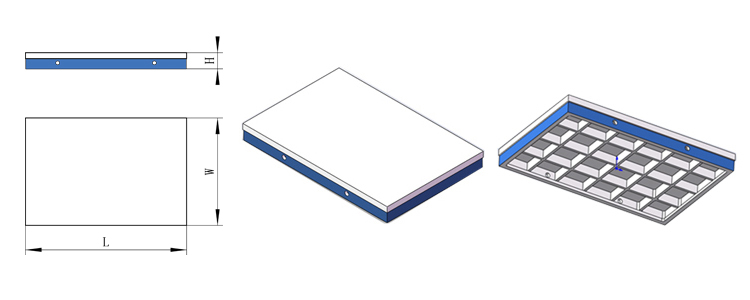
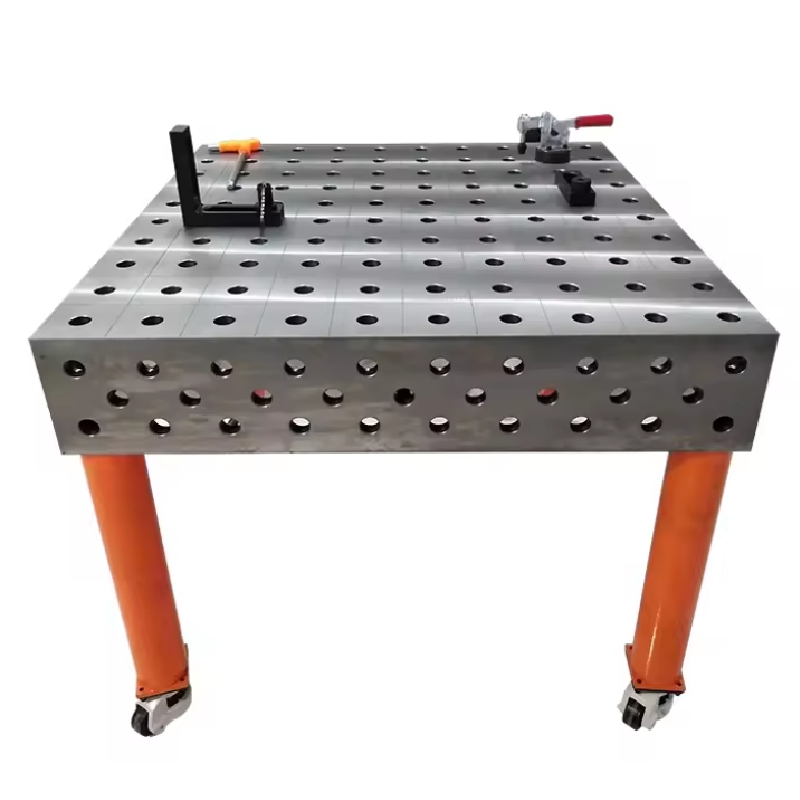
In industries where accuracy is paramount, having the right tools for measurement and inspection is a must. The measurement platform , inspection platform , and platform inspection process are the cornerstones of quality control and precision. Whether you're in manufacturing, engineering, or construction, these platforms offer the essential stability and precision needed for accurate assessments. Let’s dive into the importance of these platforms and how they contribute to the success of your projects. Measurement Platform: The Foundation of Accuracy A measurement platform is a key component for ensuring that measurements are accurate, reliable, and precise. Made from durable materials such as granite or marble, these platforms offer a stable surface for measuring and inspecting components during production processes. Measurement platforms are used extensively in industries like automotive, aerospace, and electronics, where even the smallest deviation in dimensions can have significant consequences. The importance of a measurement platform cannot be overstated. By providing a flat, stable surface, these platforms eliminate the errors that can occur due to surface irregularities. The precision offered by a measurement platform is especially crucial in environments where high tolerances are required. Whether you're measuring the dimensions of a mechanical part or calibrating sophisticated instruments, the measurement platform ensures that all readings are consistent and accurate. Furthermore, the material choice for measurement platforms plays a key role in maintaining precision over time. High-quality materials, such as granite or synthetic stones, are often used for these platforms because they are resistant to wear, corrosion, and changes in temperature, allowing them to retain their flatness and stability for extended periods. Investing in a measurement platform is an investment in long-term accuracy and reliability. Inspection Platform: Ensuring Quality at Every Step An inspection platform is an essential tool for quality assurance across a wide range of industries. These platforms are designed to provide a precise, level surface for inspecting parts and assemblies to ensure they meet the required specifications. Inspection platforms are typically used in metrology labs, machine shops, and assembly lines, where consistent quality control is needed. Unlike measurement platforms , which focus primarily on the accuracy of measurements, inspection platforms are often integrated with measuring instruments such as calipers, micrometers, or laser scanning systems. This allows for comprehensive inspection of parts, ensuring that they not only meet dimensional specifications but also functional requirements. For example, in the automotive industry, an inspection platform might be used to check the tolerance of engine parts to ensure they fit together correctly. The stability of the inspection platform is critical for ensuring that the inspection process is carried out with the highest degree of accuracy. Any slight shift or vibration during the inspection process can lead to errors, so having a solid, vibration-resistant surface is vital. High-quality materials like granite or cast iron are typically used for inspection platforms due to their ability to absorb vibrations and maintain a stable, flat surface. Platform Inspection: A Crucial Step in the Manufacturing Process Platform inspection is an integral part of the manufacturing process, particularly in industries that rely heavily on precision and tight tolerances. The platform inspection process involves verifying that the platform itself is level and in good condition before performing any measurements or inspections. If the platform inspection reveals any imperfections or irregularities, it could affect the accuracy of all subsequent measurements and inspections. Before using a measurement platform or inspection platform , a thorough platform inspection is essential to ensure that there are no flaws or defects that could lead to inaccuracies. Common issues that are identified during platform inspections include surface scratches, cracks, or deviations from flatness. By regularly conducting platform inspections , businesses can ensure that their equipment maintains its performance and avoids costly errors. A detailed platform inspection also includes verifying the alignment of any measuring instruments or tools used in conjunction with the platform. This step ensures that all readings taken during the inspection process are accurate and reliable. For industries that rely on high-precision manufacturing, regular platform inspections are a key part of maintaining product quality and consistency. Benefits of High-Quality Measurement and Inspection Platforms Investing in high-quality measurement platforms , inspection platforms , and ensuring thorough platform inspection processes can bring significant benefits to your business. These platforms enhance operational efficiency by reducing the likelihood of errors and improving the overall accuracy of measurements. For industries like aerospace, automotive, or electronics manufacturing, where precision is critical, the impact of high-quality platforms can be immense. One of the primary benefits is the ability to perform consistent quality control. Inspection platforms provide a stable and reliable surface for verifying parts, ensuring that only those that meet the required specifications proceed through the production process. This reduces the risk of defective parts reaching customers, which in turn helps to maintain the company’s reputation for quality. Another key benefit is the longevity and durability of high-quality platforms. Materials like granite are highly resistant to wear, ensuring that they maintain their flatness and stability over time. Regular platform inspections can further extend the life of the equipment by identifying any potential issues early on. The result is a reduction in downtime and maintenance costs, allowing for more efficient operations. FAQs About Measurement and Inspection Platforms What is the difference between a measurement platform and an inspection platform? A measurement platform is primarily used to ensure accurate measurements of parts and components, while an inspection platform is used for the quality assurance process, often involving detailed checks for specific specifications and functionality. Why is platform inspection important? Platform inspection ensures that the surface is level and free of defects, which is critical for maintaining the accuracy of measurements and inspections. Regular inspections help to avoid costly errors and ensure high-quality standards. What materials are commonly used for measurement platforms and inspection platforms? Granite and cast iron are the most common materials used due to their durability, resistance to wear, and ability to maintain a stable and flat surface over time. How often should platform inspections be performed? Platform inspections should be performed regularly, especially if the platform is frequently used. The frequency can depend on the level of use, but conducting inspections every few months or after significant use is recommended. Where can I purchase high-quality measurement and inspection platforms? You can purchase premium measurement platforms , inspection platforms , and related equipment from reputable manufacturers and suppliers specializing in precision tools. Many suppliers offer custom solutions based on your specific requirements. Precision is key in any industry that values accuracy, and investing in high-quality measurement platforms , inspection platforms , and conducting thorough platform inspections is the first step toward achieving the highest standards. If you’re ready to enhance your manufacturing and inspection processes, visit our website to browse our selection of top-quality platforms and measurement tools.
about
8mm table top glass price
Understanding Balanced Globe Valves A Key Component in Fluid Control Systems Balanced globe valves are critical components in various industrial applications, renowned for their effectiveness in regulating and controlling fluid flow. These valves are designed to maintain a constant pressure differential, thereby enhancing their performance and longevity. In this article, we explore the unique features, applications, and benefits of balanced globe valves, as well as their importance in modern fluid control systems. Design and Functionality Balanced globe valves differ from traditional globe valves in their unique design, which includes a balanced plug that reduces the pressure drop across the valve. The valve consists of a spherical body with an internal baffle that divides the flow path, creating two flow directions. This design allows for more controlled flow and less turbulence, making balanced globe valves ideal for applications where precise flow regulation is crucial. The balancing mechanism in these valves ensures that the force acting on the disc is evenly distributed, minimizing wear and tear on the valve components. This characteristic not only enhances the durability of the valve but also ensures smooth operation, even under varying pressure conditions. As a result, balanced globe valves can effectively handle fluctuations in the fluid system, which is vital for maintaining operational efficiency. Applications Balanced globe valves are widely used across various industries, including chemical processing, oil and gas, water treatment, and HVAC systems. In chemical plants, for example, these valves are employed to regulate the flow of corrosive and high-temperature fluids, ensuring safety and efficiency . Similarly, in the oil and gas sector, balanced globe valves manage the flow of hydrocarbons, preventing leaks and ensuring that the process runs smoothly. balanced globe valve In HVAC systems, these valves play a crucial role in controlling the heating and cooling processes, contributing to energy efficiency and environmental sustainability. Their design allows for minimal pressure loss, making them ideal for applications where energy conservation is a priority. Benefits The primary benefits of balanced globe valves include their reliable performance, longevity, and ability to manage pressure drops efficiently. Their balanced design reduces the likelihood of cavitation and flow-induced vibrations, which are common issues in fluid control systems. By mitigating these risks, balanced globe valves enhance system stability and reliability. Additionally, balanced globe valves provide excellent throttling capabilities, making them suitable for applications requiring precise flow control. This feature allows operators to adjust flow rates accurately, leading to improved process control and efficiency. Conclusion In summary, balanced globe valves are indispensable components in fluid control systems, offering numerous advantages over traditional valve designs. Their ability to maintain pressure balance and provide precise flow regulation makes them a preferred choice in various industrial applications. As industries continue to evolve and demand more efficient and reliable fluid handling solutions, balanced globe valves will remain at the forefront of technological advancements, ensuring safety, efficiency, and sustainability in fluid management. Investing in high-quality balanced globe valves is essential for any operation aiming to enhance its fluid control processes.
-

High quality industrial productsagement

High quality industrial products
View Details -

Meet the diverse needs of customers

Meet the diverse needs of customers
View Details -

Strict quality control

Strict quality control
View Details -

Top raw materials

Top raw materials
View Details -

Trusted supplier

Trusted supplier
View Details
Our application

news and information
Vente de clapets anti - retour
Vente de vannes anti-retour Un choix judicieux pour votre système hydraulique Les vannes anti-retou

Wooden Villa House Truss Repair Using Nail Plates for Enhanced Structural Integrity
Understanding Truss Mending Nail Plates for Wooden Villas In the construction of wooden villas, stru
Y-Type Cast Iron Strainer for Efficient Fluid Filtration and Flow Control
The Importance of Cast Iron Y-Type Strainers in Industrial Applications In various industrial applic
 English